On roots, belonging, and the body that carries it all
There is a particular kind of longing that has no clean translation. Not homesickness, exactly — because home is not a single place. Not wanderlust either — because the wandering was never entirely a choice. It is something quieter than both. A soft, persistent question that lives just beneath the sternum: where do I actually belong?
I have been sitting with this question for most of my life. And lately, I find myself wanting to speak it out loud — not because I have found the answer, but because I suspect I am not alone in carrying it.
The Ingredients of Me
My father is from Irpinia — that inland, mountainous corner of Campania where the soil is volcanic and the people carry a certain dignified stubbornness in their bones. It is a land of stone villages, slow ragù, dialect words that sound like music you half-remember. When I close my eyes and think of his roots, I smell woodsmoke and dried figs. Something ancient. Grounded.
My mother is from the Rogożnik area in southern Poland — a different kind of ancient altogether. The flat horizons, the birch forests, the weight of history embedded in every cobblestone, the way Polish women carry both grief and fierceness in the same gesture. When I reach toward her roots, I feel something resilient and quietly fierce. Flowers pushed through frost.
Italy and Poland. Fire and ice. South and North. A Mediterranean expressiveness and a Slavic interiority. Both of them live in me, and neither one fully claims me.
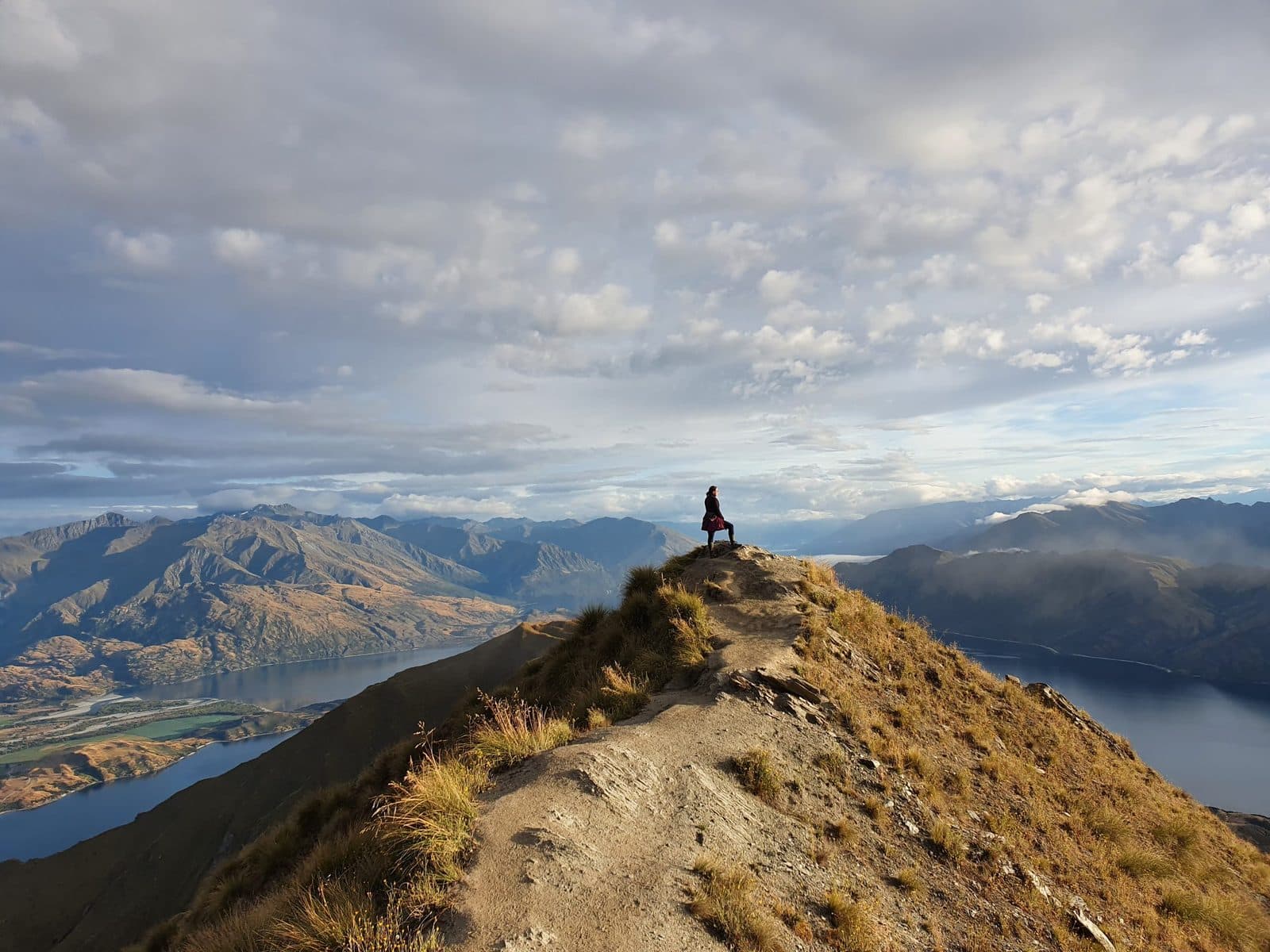
Then there is Switzerland — Ticino, specifically, which is its own beautiful paradox: Italian in language and rhythm, Swiss in structure and reserve. Even the land I call home refuses to be entirely one thing. And then there is Aotearoa, New Zealand. The place that cracked something open in me, where I encountered Māori healing traditions and found a philosophy of the body and of land that resonated in a frequency I hadn't heard before, but somehow already knew.
Everything Tastes Like Home
The strange thing is — I feel at home in many places. The smell of a Sunday sauce simmering will bring my father's family kitchen back in an instant. A particular quality of grey autumn light makes me feel inexplicably, wordlessly Polish. The sound of water over stones in a Ticinese valley is my nervous system settling. The way the wind moves differently in the Pacific — that too lives in me as belonging.
Everything tastes like home. And yet I have never arrived at home completely.
We live in a world of migrations, of mixed bloodlines, of families scattered across continents. Multiculturalism is not just a political concept — it is the intimate reality of millions of bodies. Of children who translated for their parents at school. Of adults who shift language and shift self depending on which table they are sitting at. Of people who are asked where are you really from and genuinely do not know how to answer in a single sentence.
Even here in Switzerland — that famously ordered, boundaried country — I am surrounded by people from everywhere. Ticino especially holds this multiplicity. The canton itself is a crossing point: linguistically Italian, politically Swiss, geographically wedged between two worlds. It draws people who, like me, carry more than one home inside them.
The Body Remembers What the Mind Cannot Resolve
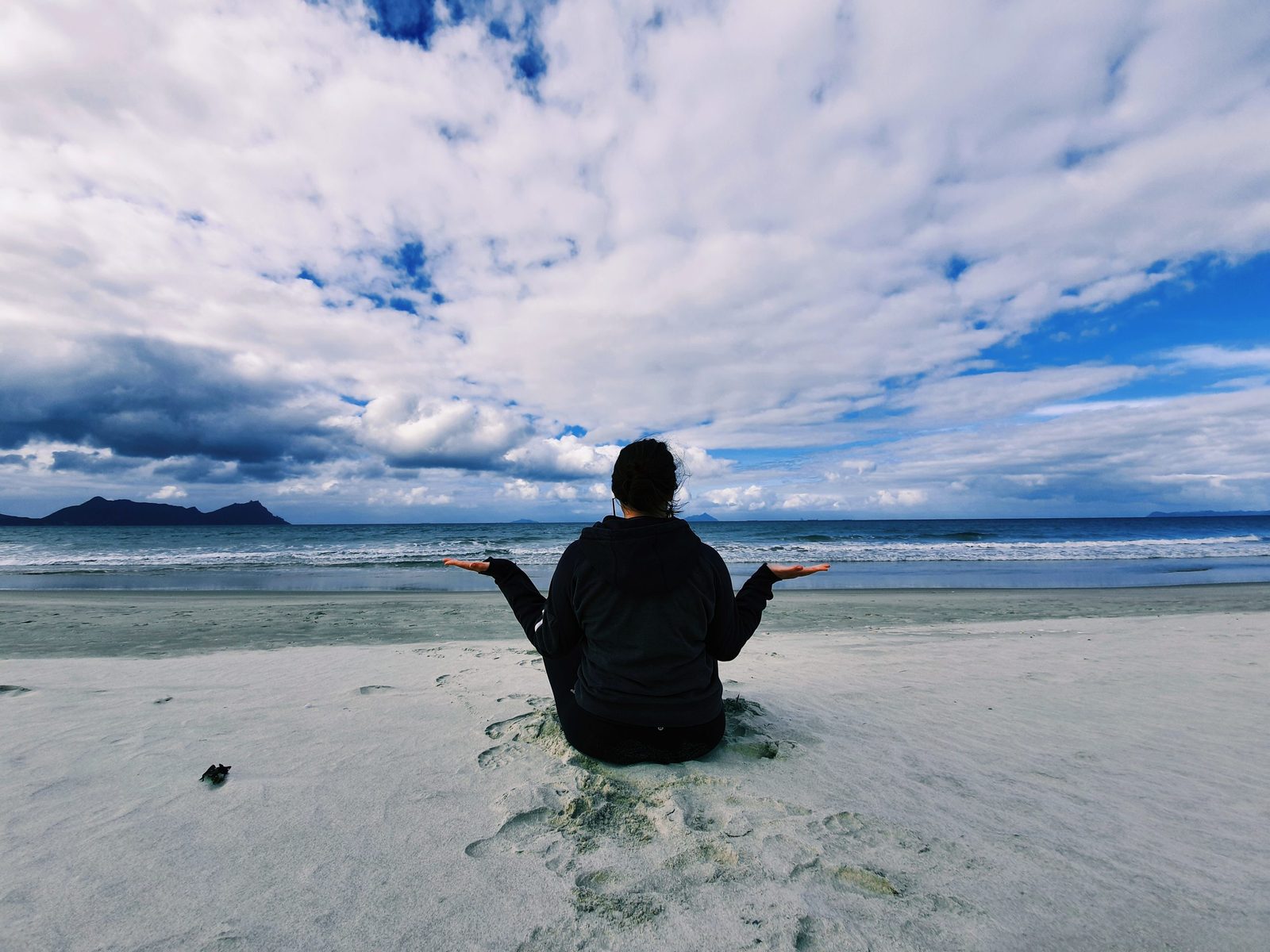
What I have learned through years of somatic practice — through bodywork, through the wisdom of traditions that honour the body as a map of everything we have lived — is that identity does not need to be resolved. It needs to be inhabited.
The body holds all of it. The volcanic earth of Irpinia. The birch forests of Małopolska. The mountains of Ticino. The Pacific horizon. It holds the grandmothers I knew and the ones I only feel in my hands when I work. It holds the languages I speak and the ones I lost before I could learn them. It holds the grief of not belonging fully anywhere, and — just as fully — the gift of belonging partially everywhere.
There is a particular freedom in rootlessness, if you can learn to love it rather than only mourn it. You are not imprisoned by one story. You can draw from many rivers. You carry a wider map.
But I will not romanticise it without honesty. There are days when the ache is real. When I would trade the whole beautiful complexity for the uncomplicated certainty of yes, this is where I am from, this is where I will always return. Days when multiplicity feels like weight rather than wealth.
I am writing this from Ticino, from a body that carries Irpinia and Rogożnik and the Pacific and the Alps all at once — and I still don't have a clean answer. Some days I make peace with that. Some days the question catches me off guard at the supermarket, in a conversation where someone assumes I am simply Italian, in a moment where I reach for a word in one language and find it only in another.
What I do know is this: the search for belonging has taken me inward more than anywhere else. Not inward as escape — but inward as cartography. Learning the landscape of my own body has been the closest thing to home I have found. The breath that steadies. The hands that remember. The skin that holds every origin without needing to choose.
Maybe belonging was never meant to be a destination. Maybe it is something we practice — imperfectly, tenderly — in the small moments when we stop running from the question and simply let ourselves be here. Rooted in this breath. In this body. In this strange, layered, unrepeatable life.
"Everywhere and nowhere. And somehow — here."