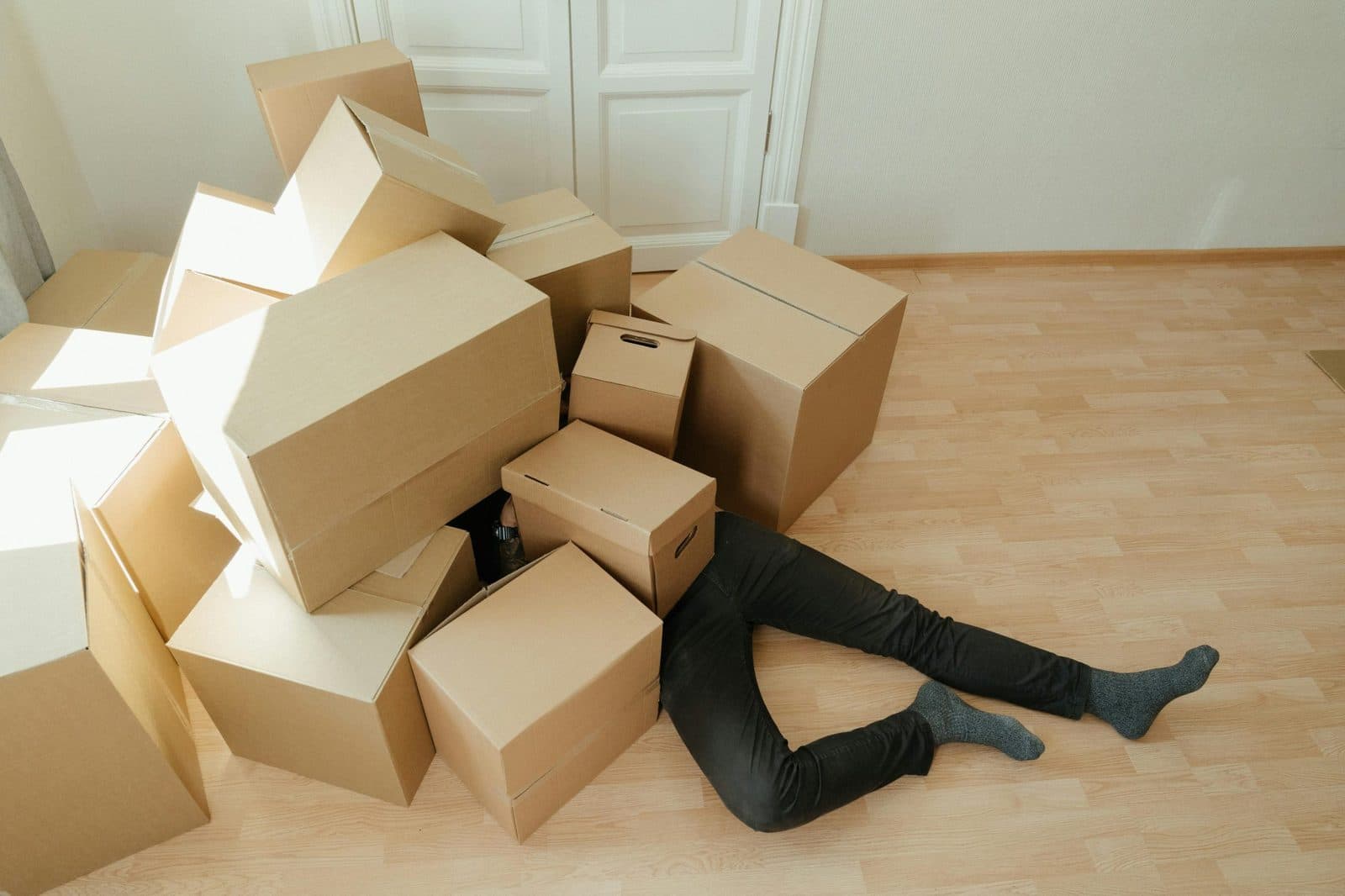
In an era saturated by overstimulation, consumerism, and emotional overwhelm, the act of decluttering has evolved far beyond a domestic trend—it has become a rite of passage toward self-awareness and spiritual liberation. In my podcast The Cauldron we tackled this very topic, offering a lens into how releasing the physical can deeply influence the metaphysical. As both a journalist and holistic guide, I set out to understand the full impact of letting go—of objects, emotions, and outdated identities—and what it means to truly create space for the new.
Decluttering as a Mirror: What Our Spaces Reveal About Us
Our homes speak. They are visual narratives of our inner world. When rooms overflow with unused items, gifts that never resonated, or memorabilia tied to past versions of ourselves, we are often looking at physical manifestations of emotional backlog.
According to psychologist Dr. Sherrie Bourg Carter, clutter “bombards our minds with excessive stimuli” and “signals to our brain that our work is never done.” This low-grade stress may go unnoticed at first but can silently undermine our ability to focus, rest, and thrive.
Yet the chaos is not only cognitive. In many spiritual traditions—such as Feng Shui, Vastu Shastra, and Andean cosmology—objects hold energetic signatures. Cluttered spaces, therefore, become stagnant wells of energy, blocking the natural flow of life force (or chi).
The Spiritual Art of Letting Go
Decluttering is not simply organizing; it’s surrender. As we part ways with what no longer serves us, we enact a ritual of trust—believing that who we are now is enough and that what is meant for us will arrive.
In the words of Japanese organizing consultant Marie Kondo, “The question of what you want to own is actually the question of how you want to live your life.” Her method, which centers on keeping only what “sparks joy,” echoes a deeper principle: we are not just clearing space—we are re-aligning with intention.
From a holistic lens, this act can be seen as energetic pruning. Just as plants grow stronger when dead leaves are removed, so too can our soul unfold when freed from the weight of attachments.
Emotional Detox: When Clutter Is More Than Physical
Decluttering can unexpectedly unlock grief, guilt, or shame. A forgotten love letter, a dress from a past life, a book linked to an old dream—these objects tether us to stories we haven’t fully processed. When we confront them, we confront ourselves.
In her book The Life-Changing Magic of Tidying Up, Kondo notes that people often cry when they release items. It is not the object itself but the identity it held—a past version we’re finally ready to bless and leave behind.
Holistic therapist Ingrid Fetell Lee, author of Joyful, emphasizes that creating a visually harmonious space—through light, order, and meaningful objects—can uplift our mood and boost our energy. The process becomes not just about release but also about renewal.
A Ritual for Letting Go
Whether you’re clearing a drawer or rewriting your life, here is a soulful practice I recommend:
- Set the Space with Intention – Light a candle, play grounding music, or recite a mantra. Invite clarity and compassion into the process.
- Choose One Area Only – Start small—a corner, a shelf, a bag. Let the experience be a meditation, not a race.
- Hold Each Object and Ask: – “Does this nourish my current self?” If not, thank it silently and release it with reverence.
- Take Breaks to Reflect – Journaling thoughts that arise can offer insights into emotional ties and mental patterns.
- Close with a Ritual – Burn incense, say a prayer, or take a cleansing shower. Mark the transition with presence.
🌿 Practice: The Sacred Release
Find one object that no longer resonates with your current self. Hold it. Breathe. Honor the story it carries. When you’re ready, let it go—into the donation bin, the earth, or the fire. As you release it, say: “Thank you for your service. I make space now for what is true.” Decluttering is not loss—it is a sacred return to self.