In a world addicted to speed, the idea of slowness can feel like a rebellion. Every day we are bombarded by the demand to be faster—faster at answering emails, achieving goals, healing, or simply existing. Yet a quiet revolution is rising across the fields of neuroscience, psychology, wellness, and even economics: the rediscovery of slowness as a profound source of wellbeing, resilience, and meaning.
But what does slowness truly mean in a society that equates productivity with value?
What Does It Mean to Slow Down?
Slowness is not about doing nothing. It is about doing with intention. In a society that constantly urges us to be faster, more productive, more efficient—slowness offers a radical alternative: presence.
To slow down is to shift our rhythm to one that aligns with the cycles of the body and the breath of nature. It is to reclaim our attention from algorithms and urgency, and to remember that not all progress comes from acceleration. Some of the deepest transformations begin with a pause.
Slowness is a spiritual act—a way of being that invites meaning back into the mundane.
Why Slowness Matters for Our Health and Soul
The pace of our lives has a direct impact on our nervous systems, mental clarity, and even immune function. Research shows that people who regularly practice slow, mindful activities experience:
- Lower cortisol levels and reduced anxiety
- Better sleep and improved emotional regulation
- More creativity and decision-making clarity
- Stronger connections to self and others
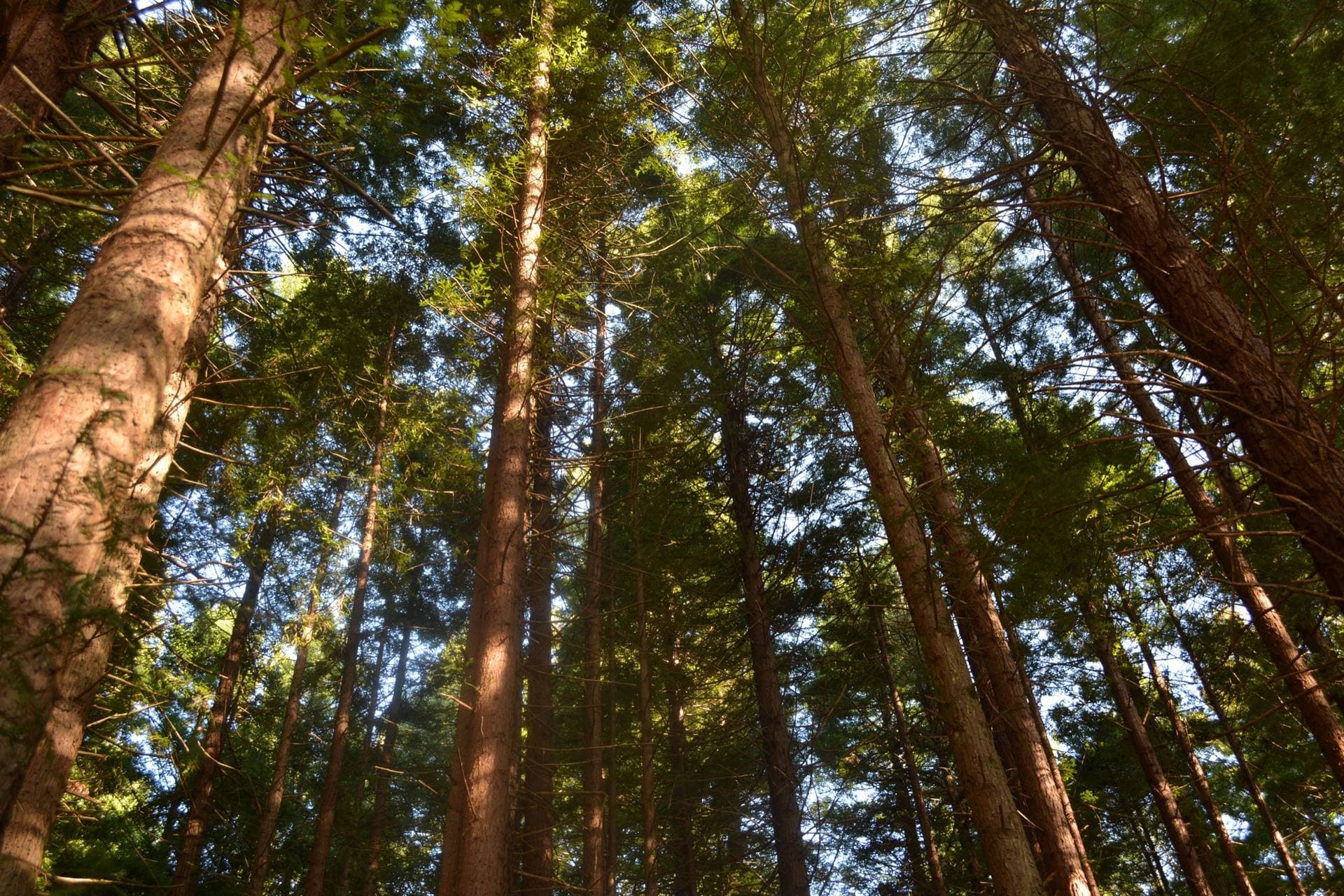
In Japan, the practice of forest bathing (shinrin-yoku) is prescribed as a form of therapy. Studies confirm that walking slowly through nature can reduce blood pressure and elevate mood (Li, 2019). Likewise, Harvard research on mindfulness has shown that even short pauses in our day can increase grey matter in brain regions linked to compassion and memory.
Slowness is not a luxury. It is a biological and emotional necessity.
Embracing Natural Rhythms
In many Indigenous and ancestral cultures, slowness is built into the way of life. Time is not linear and segmented, but cyclical and sacred. There is space for reflection, for breath, for transition.
Our modern world has forgotten this. But we can remember:
- Set boundaries with technology and information overload
- Allow yourself to do one thing at a time, fully
- Embrace rest as a form of resistance and restoration
Returning to natural time is not about abandoning modern life. It’s about re-rooting yourself in your own rhythm, so you can engage with life more fully, rather than rushing through it in fragments.
A Modern Ritual of Slowness
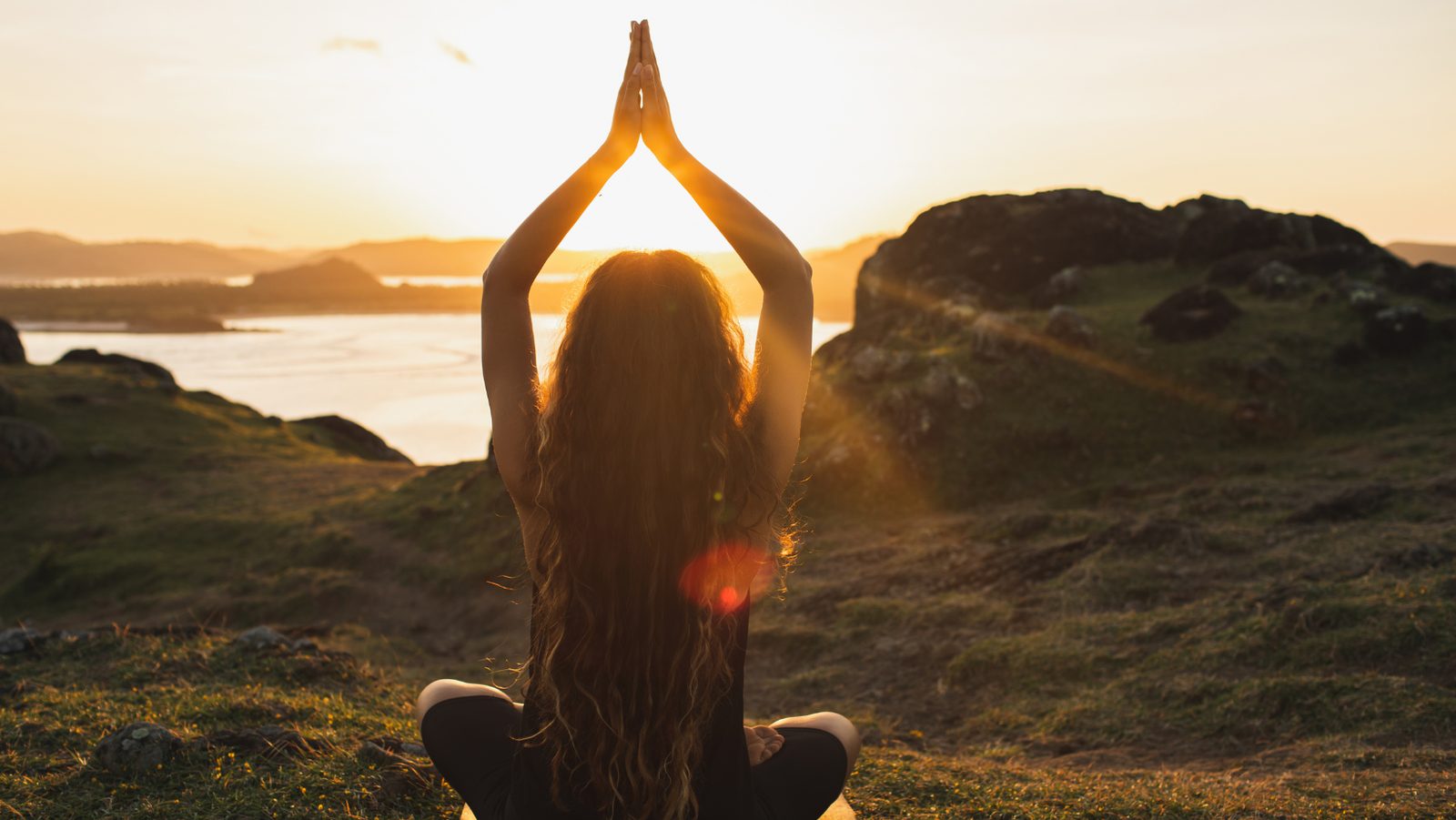
You don’t need a retreat to slow down. Even in the busiest life, you can carve out sacred pauses. Rituals don’t need incense or chants—they need intention.
Here are a few ideas:
- Begin your day with a deep breath and a quiet intention
- Walk without your phone, noticing sounds and sensations
- Savor one meal a day in silence and gratitude
- Close your eyes for 5 minutes and simply feel your heartbeat
These small acts are anchors. They bring your nervous system back into balance and remind you that you are not a machine—you are a living being, worthy of care.
🌿 Practice: The Sacred Pause
Today, find 5 minutes. Sit comfortably, breathe slowly. Ask yourself gently: “What do I need right now?” Let the answer rise, without pressure. Perhaps it’s a stretch, a sip of tea, a walk. Follow it with reverence. End the pause by whispering: “I honor this moment of stillness.” It is time to move from urgency to presence, from acceleration to rhythm.